
13. March 2026
Lucy and the Quiet Kitchen (Same Weight story)
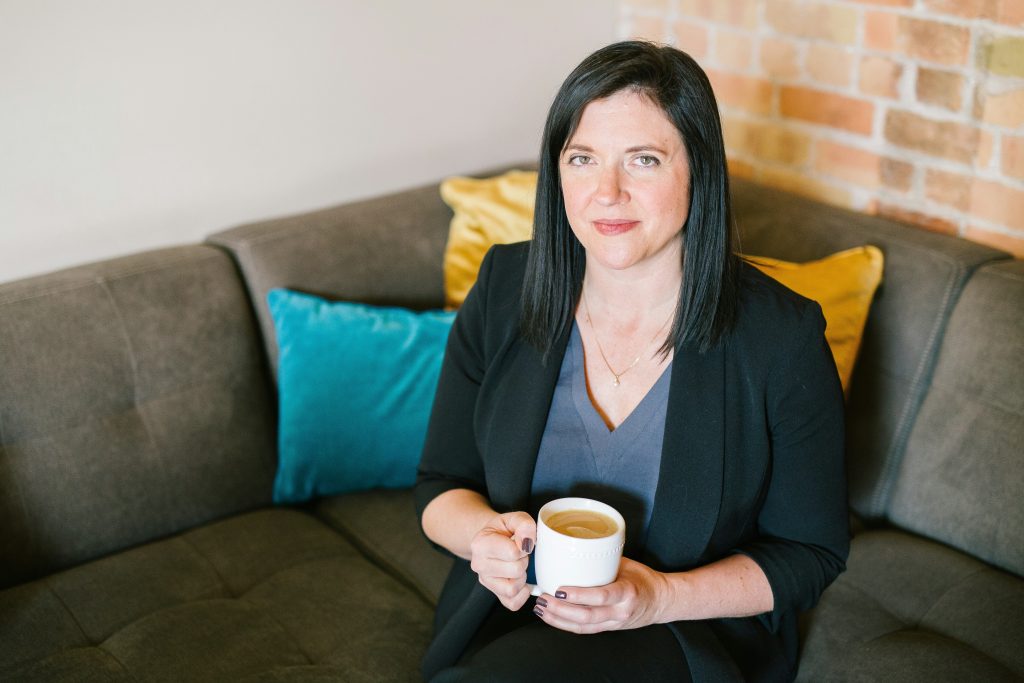
Lucy was fifty-two and professionally calm in the way only analysts can be. The kind of calm that comes from staring at numbers long enough that they begin to behave. She could hold ten spreadsheets in her mind at once and still notice that row 437 didn’t quite reconcile with the forecast.
At work, people trusted Lucy. Mostly. Except for Martin. Martin worked two desks away and had a special talent for explaining things Lucy had already explained ten minutes earlier. In meetings he leaned back, crossed his arms, and said things like, “Let’s simplify this.” Lucy would then watch him confidently simplify the numbers into something that was, technically speaking, wrong. Lucy didn’t argue. She simply corrected the model later and quietly sent the new version to everyone. Martin once called this “collaborative efficiency.” Lucy called it something else in her head.
By the time she left the office most evenings, her mind felt like a tightly wound spring. Then she drove to her mum’s flat. Her mother was eighty-one and had recently developed a passionate interest in whether the neighbour was stealing roses from the communal garden. Lucy checked the medication, listened carefully to the rose investigation update, adjusted the heating, and drove home again.
Her husband Daniel was usually already there. Daniel had a talent Lucy admired deeply. He could enter a room, look around for three seconds, and somehow understand the emotional weather of the house. “How was today?” he asked one evening as Lucy walked into the kitchen. “Productive,” Lucy replied. Daniel translated immediately. “Martin again?” Lucy sighed. They had been married twenty-three years. Translation was efficient.
Their daughter Mia was sitting at the kitchen table, phone in hand, scrolling with the focused intensity of a NASA engineer landing a spacecraft. Mia was eighteen and doing her A-levels. Her teachers described her as “very capable when she engages,” which Lucy suspected meant Mia could achieve anything as long as TikTok didn’t exist. “Mia,” Lucy said gently, “you’ve been on your phone all evening.” Mia didn’t look up. “I’m researching.” “Researching what?” Lucy asked. “Life,” Mia replied.
Lucy opened the fridge. Inside sat the usual quiet suspects: bread and cheese. Not dramatic food. Just reliable. A slice appeared. Then another. Lucy often noticed the plate halfway through eating it, the way you sometimes notice rain only after you’ve been walking in it for ten minutes.
For years she had tried to organise this problem the way she organised everything else. Calorie tracking, low-carb plans, intermittent fasting, and once a heroic three-month diet that turned her into the most disciplined person in Western Europe. Each time it worked. And each time the old pattern slowly returned. Lucy understood nutrition. Lucy understood systems. What Lucy didn’t understand was why cravings appeared when she wasn’t hungry, why the mind suddenly became interested in cheese after a long day of meetings, and why eating sometimes happened before she realised she had decided. That quiet question followed her for years: why is this still happening to me?
One evening Lucy came across the Same Weight Program. She almost ignored it. It sounded suspiciously gentle. No strict rules. No heroic discipline. Instead it spoke about attention. Apparently the problem might not be food at all. It might be what happened to the nervous system when attention stayed narrow for too long. Lucy learned something uncomfortable but oddly relieving. Her entire day ran on narrow attention: analysing numbers, planning forecasts, correcting Martin. Narrow attention was efficient, but when it ran all day the nervous system stayed slightly on alert, and food often became the quickest way to release that pressure.
Lucy began practising the exercises. Ten minutes most evenings. Nothing complicated. Just noticing space around her body, feeling both hands at once, letting attention widen slightly. At first she approached the exercises like a proper analyst. She attempted to optimise relaxation. This did not work. But gradually something changed. Her attention widened, her body softened, and the cravings started to feel different. They still appeared, but they were quieter and less convincing.
One evening after a long day she sat at the kitchen table and widened her attention the way she had practised. The urge for cheese appeared, then softened. It was still there, but it no longer felt like an alarm. Lucy realised she could choose, and choosing didn’t feel like effort.
For a few weeks things felt lighter. Martin still existed. Her mum still reported rose-related crime. Mia still researched “life” on her phone. But Lucy felt calmer inside her own head.
Then one Tuesday evening Mia looked up from her phone. “Mum, can we talk?” Lucy immediately sensed trouble. Years of parenting sharpen that instinct. “What’s going on?” she asked. Mia took a breath. “I’ve decided I’m not going to university.” Lucy blinked. Daniel stopped mid-sip of tea. “I’m going to become a model instead,” Mia added.
There was a long pause. Lucy’s nervous system did something very fast and very old. Alert mode switched on immediately. Her mind began running forecasts: A-levels, university applications, career stability, probability of success. Her attention narrowed onto one thought: this is a terrible idea.
Daniel placed his cup down slowly. “Well,” he said carefully, “that’s… unexpected.” Lucy felt her shoulders tighten. The kitchen suddenly felt smaller. Every spreadsheet in her brain started calculating risk.
Lucy stood up and walked to the window. Then she remembered the exercises. She noticed the space around her shoulders, the floor under her feet, the quiet room behind her. Her attention widened slightly. The alarm softened. Not gone, just quieter.
She turned back to Mia. “Tell us why,” Lucy said.
They talked for an hour. About uncertainty, about possibilities, about what modelling actually involved, about keeping options open and not closing doors too quickly. Lucy didn’t solve the problem that evening, but something important had changed. She didn’t react from panic. She responded from space.
Later that night Lucy stood again in front of the fridge. The bread was there. The cheese was there. The old habit waited politely. Lucy smiled slightly because she suddenly realised something important.
For years she thought the problem was discipline.
It wasn’t.
The real cravings had never been about food.
They appeared whenever her nervous system stayed on alert for too long. Martin could trigger it. Deadlines could trigger it. And apparently daughters announcing unexpected life plans could trigger it too.
Bread and cheese had simply been the emergency exit.
Lucy closed the fridge.
The strange twist was almost funny. For years she tried to control food, but the real change happened when she learned how to calm the pressure in her attention. When attention tightened, the system searched for relief. When attention widened, things reorganised naturally.
Even conversations about modelling careers.
Especially conversations about modelling careers.
And for the first time in a long while, the kitchen was quiet. Not because the cheese had disappeared, but because Lucy no longer needed it to calm down.